
Find Who Owns a Craig County Parcel
A Craig County ownership lookup is a short trail. Start in WebGIS with an address or map location. Identify the parcel and copy its tax parcel number, along with any legal-description clue. The Commissioner's owner information comes next. Compare it against the newest deed recorded with the Circuit Court Clerk. The deed is the instrument that legally transfers ownership. WebGIS publishes no owner-name field specific to Craig County. Nothing guarantees how soon a closing appears on the map. The roll's owner is an assessment record, so confirm it when timing matters.
- Locate the property in Craig County WebGIS by address or map position.
- Keep the parcel number and legal description, then read the owner information the Commissioner makes available.
- Find the latest deed in the Circuit Clerk land index and compare the grantee and property description.
- If a business entity is named, check its Virginia SCC filing record for public entity details.
- Use a recorded mailing address only for lawful property matters; do not assume it is the situs.
Craig County's Map Starts an Owner Search
WebGIS is the public map route for Craig County parcel context. Start at a known location. Its identify tools reveal what the parcel displays. The county publishes no owner-name field specific to Craig parcels, no minimum-character rule, and no stated coverage year for current owners. Take the owner details as they come. If the map shows no name, the Commissioner maintains the real-estate ownership record and can explain how to obtain the current entry.
A name on a map is a clue, not title. It points to the assessment roll. Save the parcel number and map location so the Circuit Court Clerk can identify the newest deed. That deed answers who owns the tract. It does not confuse the owner with whoever lives there, manages the land, or receives mail at the parcel.
When a Craig County Owner Is an Entity
Not every owner of record is a person. A Craig County parcel can be vested in a limited liability company, corporation, trust, or estate. It may also be vested in several co-owners. The roll names the entity. Search that exact name in Virginia's SCC system. A filing may show entity status, registered agent, principal-office details, and recent documents. Those records explain a company name. The registered agent, though, is not automatically the beneficial owner. Nor is the agent anyone authorized to speak for the parcel.
For the lookup, Virginia SCC's Clerk's Information System is the business-record search route. Copy the entity's exact spelling and legal suffix from the deed before searching. A trust or estate may need the deed and probate file.
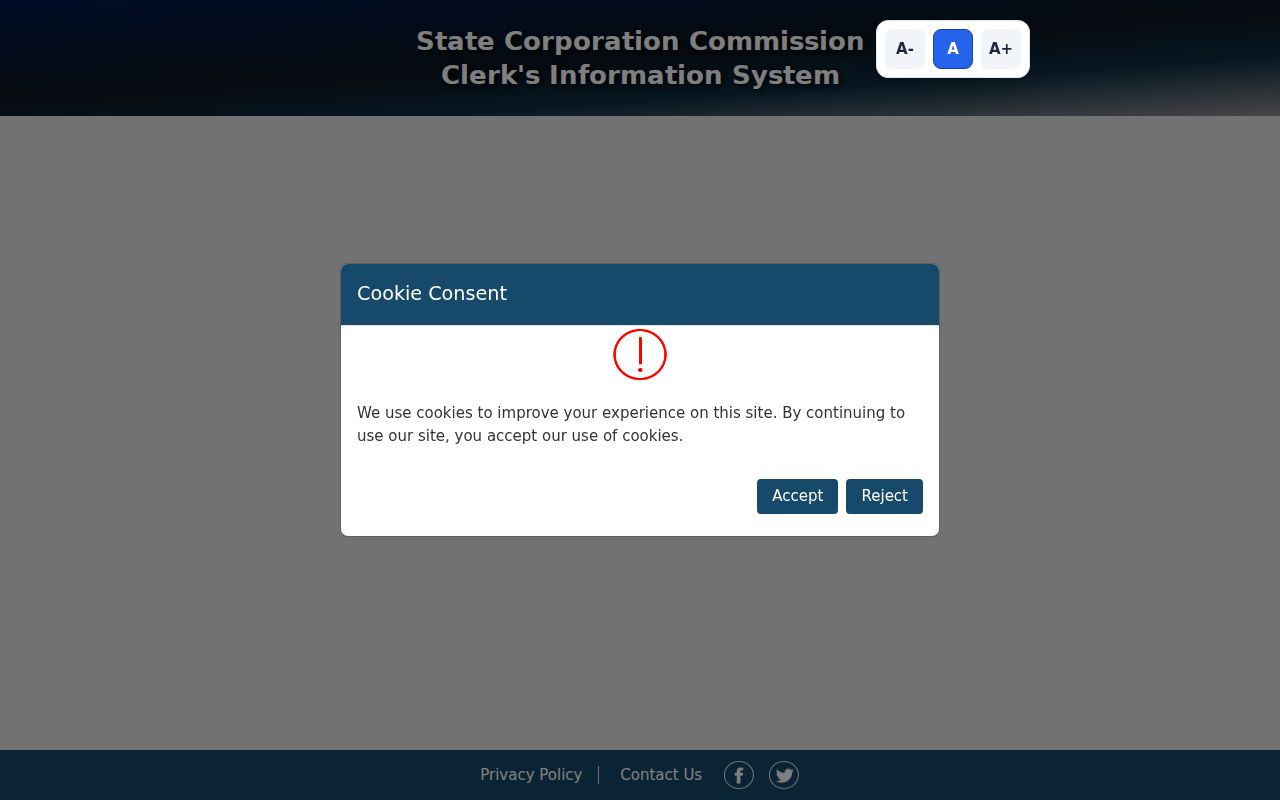
An estate transfer leaves its own trail. The recorded executor or administrator deed and the Clerk's probate file show the local authority for who took title. Company names need equal care. Copy the full spelling and legal suffix first. An entity filing may then show status, and who receives legal notices for the company. A registered agent is not the beneficial owner. The deed remains the Craig County record that connects the entity to the parcel.
Craig County Owner Records Separate Situs and Mailing Addresses
Two addresses ride on every Craig County parcel record. The situs address tells you where the property sits. The mailing address tells you where the owner receives tax notices and correspondence. The county's building permit form keeps the job-site address, tax parcel, and owner mailing address in separate fields. That separation matters in rural areas, where a route address or a New Castle postal city may not match the land's legal description or town status.
Use only a lawfully available public mailing address for contact in a property matter. Respect any protected-address rules too. The Virginia Address Confidentiality Program provides an approved substitute address and mail-forwarding service for eligible people facing specified safety risks. Never infer a private residence from it. Nor should a parcel record reveal an occupant's identity.
Where Craig County Owner Information Comes From
Craig County owner information lives in several record systems. The Commissioner maintains the real-estate ownership records. The Circuit Court Clerk records the deed, the legal instrument that transfers an interest in a parcel. The Treasurer handles tax bills and payments, while WebGIS supplies the parcel map context. These sources can agree with one another. They are not interchangeable, though, and a business or trust name may still require a separate state filing lookup that never names every person with an interest in the land.
| Source | Owner Info It Gives | Access |
|---|---|---|
| Commissioner of Revenue | Real-estate owner and assessment records; exact online fields not captured | WebGIS or office inquiry |
| Circuit Court Clerk | Grantee and legal terms in recorded transfer instruments | SRA where enabled, or Clerk copy route |
| Treasurer | Tax ticket and payment history, not title | e-Services or office |
| Virginia SCC | Public business filings for a named entity | Clerk's Information System |
| WebGIS | Map and parcel context; exact popup fields not verified | Public county viewer |
Some ownership answers sit in statewide systems. The Virginia Courts SRA overview explains the index and image access levels. A name-index result can point to a Craig County deed where the Clerk enables access. It is not the deed image itself. Confirm the recording reference before trusting a name match.
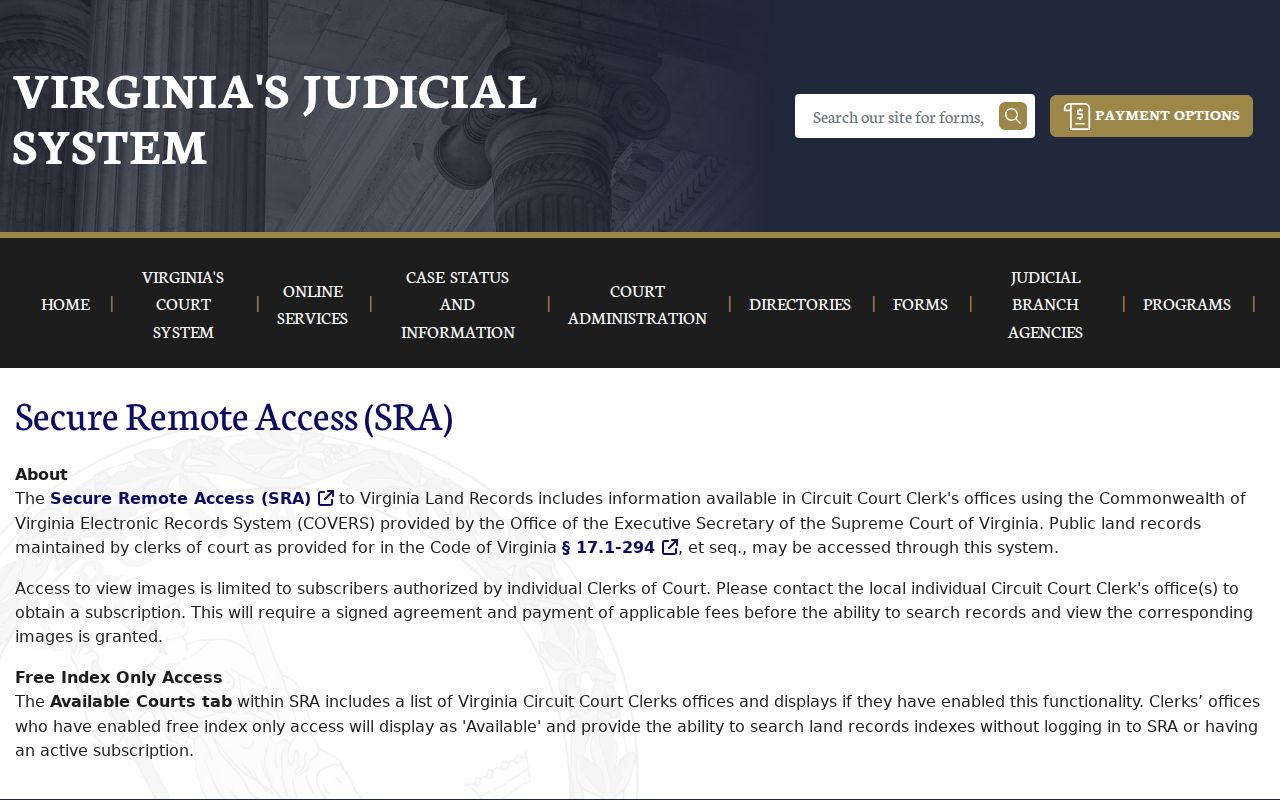
An owner of record is the name on an official assessment or transfer record. It is not a list of occupants. A Craig County parcel may belong to an LLC, a trust, an estate, or co-owners. The user may differ, and the mailing address may too.
Use the deed index to reach the instrument. Match the grantee to the Commissioner record. Check the land description and mapped parcel too. The Craig County current owner record page focuses on that roll-to-deed confirmation step. It is built for current owner questions.
Craig County Publishes No Roll Update Interval
Craig County posts no promised update interval for its ownership display. So a newly recorded deed can outrun a parcel roll that has not refreshed. First compare recording dates. Then weigh the legal descriptions and party roles. Ask the Commissioner whether the roll is still being updated. No typical number of days separates closing from an online owner change.
Use the newest recorded deed as transfer evidence. Use the assessment roll as your owner-of-record reference. Keep the two roles straight. A tax bill may carry a mailing address that differs from the parcel, and a deed of trust never makes the lender the owner. Craig County records answer separate questions, so keep each date and source next to its conclusion.
Craig County Probate Can Explain Estate Title
A death changes the paper trail. The Craig County deed index may list only the executor, administrator, or commissioner who signed a transfer. The probate file tells the rest. It explains authority, heirs, fiduciary action, and court orders. The Craig Circuit Court Clerk handles probate and estate matters, while the Library of Virginia lists historical will books, fiduciary registers, and settlements. So search land and probate records together.
One Library of Virginia finding aid adds a twist. Its entry for a general will index covering 1850 to 1893 is mislabeled as an “Index to Deeds.” The quirk matters when an older ownership trail hides in the wrong category. It proves no transfer by itself. Read the referenced will or order, then compare it with the recorded land instrument.
What an Owner Lookup Cannot Tell You
A Craig County owner record names a party tied to a parcel. It does not reveal occupants. It does not promise the title is clean. Nor does it show whether anyone is reachable at the mailing address. The deed, probate file, tax account, and parcel map each carry their own scope. Virginia's Address Confidentiality Program shields identifying records for eligible participants. Voter and DMV data have separate limits. Never infer a protected address from another public record.
Use Virginia's voter information portal for election lookups, not parcel ownership. A voter record cannot confirm title, occupancy, or a boundary line. Keep an ownership question with the deed and the assessment record. Use the parcel identifier rather than unrelated identity data.
Use the right record for the right question. A name match alone never proves ownership, and that care protects privacy in Craig County property records.
Lawful use. Use a Craig County owner lookup for property research, title diligence, or house history. Do not use a person's name or mailing address to stalk, intimidate, or harass anyone.